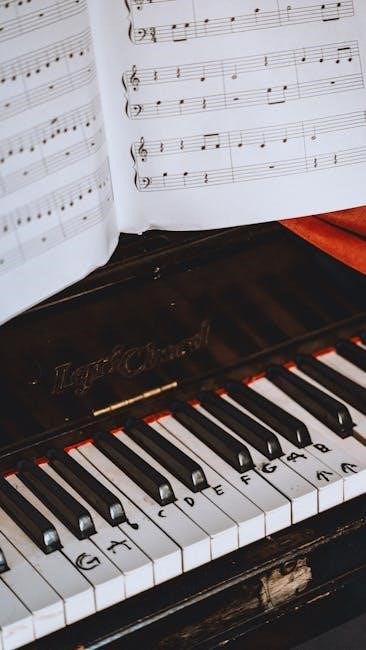
Carol of the Bells Piano Sheet Music PDF Free: A Comprehensive Guide
Finding readily available, free PDF sheet music for “Carol of the Bells” is achievable, with numerous online resources offering arrangements by composers like Mykola Leontovych and William J. Ross.
These digital scores cater to various skill levels, from beginner-friendly adaptations to complex piano solo performances, often including tempo markings and detailed notations.
The song, originally “Shchedryk,” a Ukrainian folk song, has become a globally recognized Christmas carol, making its sheet music highly sought after for festive occasions.
Downloading these PDFs allows musicians to easily access and practice this beautiful piece, with options ranging from simple melodies to intricate, advanced arrangements.
Resources include websites dedicated to free sheet music, offering a diverse selection of “Carol of the Bells” piano scores in PDF format for convenient access and printing.
Remember to always respect copyright and usage rights when utilizing free online sheet music, ensuring responsible and ethical musical practice.
Origins of Carol of the Bells
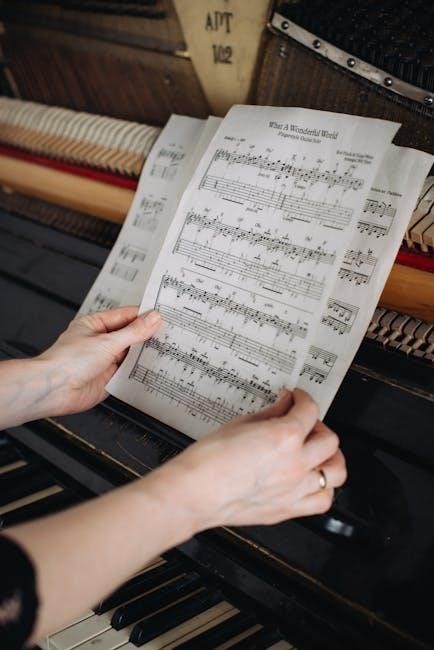
“Carol of the Bells” boasts a fascinating history, deeply rooted in Ukrainian folklore. Originally known as “Shchedryk,” the melody isn’t a traditional Christmas carol but a Ukrainian New Year’s greeting, wishing prosperity and happiness. This ancient tradition involved groups going door-to-door, singing these wishes for good fortune.
Mykola Leontovych, a Ukrainian composer, meticulously arranged “Shchedryk” in 1914, transforming the folk tune into a polyphonic choral work. His adaptation layered repeating melodic phrases, creating the iconic bell-like effect that defines the song. This version gained international recognition through performances by Ukrainian choirs.
The song’s journey to the West began in 1921 when Peter Wilhousky, a Ukrainian-born American composer, adapted Leontovych’s arrangement for an English-speaking audience. He provided the now-familiar English lyrics, focusing on the imagery of sleigh rides and winter landscapes, effectively rebranding it as a Christmas carol.
This transformation allowed “Carol of the Bells” to permeate Western culture, becoming a staple during the holiday season. The enduring popularity of the song has led to countless arrangements, including numerous piano sheet music versions readily available in PDF format today, preserving and sharing this rich cultural heritage.
Mykola Leontovych and “Shchedryk”
Mykola Leontovych (1877-1921) was a Ukrainian composer whose legacy is inextricably linked to “Shchedryk,” the original folk song that evolved into “Carol of the Bells.” He wasn’t simply a transcriber; Leontovych meticulously crafted multiple choral arrangements of “Shchedryk” over several years, each more sophisticated than the last.
His 1914 version, the most renowned, showcases his mastery of polyphony, layering repeating melodic motifs to emulate the sound of ringing bells. This arrangement, initially for unaccompanied mixed choir, is the foundation for most modern adaptations, including those found in piano sheet music PDFs.
Leontovych’s work wasn’t widely known outside Ukraine during his lifetime. Tragically, he was murdered in 1921 during a period of political unrest. However, his music gained international prominence thanks to efforts to promote Ukrainian culture abroad.
The availability of “Shchedryk” sheet music, often in free PDF format, allows musicians to explore Leontovych’s original vision, appreciating the artistry behind this beloved carol and understanding its Ukrainian roots before its Western adaptation.
The Ukrainian Folk Song Tradition
“Shchedryk,” the precursor to “Carol of the Bells,” deeply embodies the rich Ukrainian folk song tradition, characterized by its ancient roots and connection to winter solstice celebrations. “Shchedrivky” are a genre of Ukrainian ritual songs traditionally sung during the New Year season, wishing prosperity and good fortune.
These songs often feature repetitive melodic phrases and onomatopoeic lyrics, mimicking natural sounds – in this case, the ringing of bells, symbolizing joy and abundance. The original lyrics differed significantly from the English adaptation, focusing on themes of a generous household and a bountiful harvest.
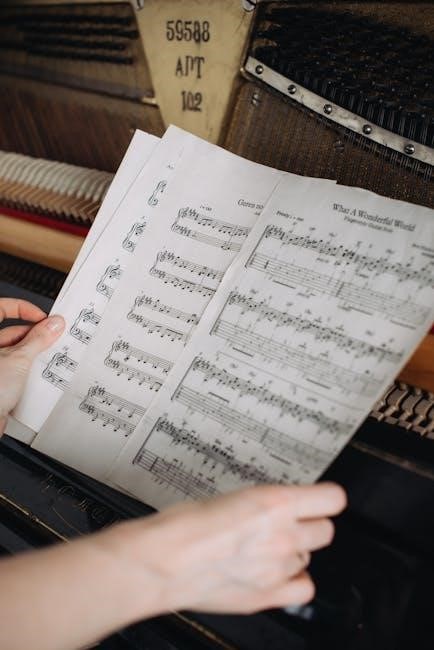
The availability of piano sheet music PDFs allows musicians to connect with this cultural heritage, exploring arrangements that retain elements of the original folk melody and rhythmic structure. Understanding this tradition adds depth to the performance and appreciation of the song.
The enduring popularity of “Carol of the Bells” demonstrates the power of Ukrainian folk music to transcend cultural boundaries, offering a glimpse into a vibrant and historically significant musical landscape.
Adaptation for Western Audiences
The transformation of “Shchedryk” into “Carol of the Bells” involved significant adaptation for Western audiences, primarily through the English lyrics penned by Peter J. Wilhousky in 1936. This adaptation shifted the song’s focus from New Year’s wishes to a Christmas theme, broadening its appeal and ensuring wider recognition.
Wilhousky’s lyrical changes, combined with the song’s already captivating melody, propelled “Carol of the Bells” to international fame, becoming a staple of holiday music. The availability of piano sheet music PDFs reflects this widespread adoption, offering arrangements tailored to various skill levels.
These arrangements often maintain the song’s distinctive bell-like motifs and rhythmic drive, while accommodating Western harmonic conventions. The adaptation process highlights the dynamic interplay between cultural exchange and musical evolution.
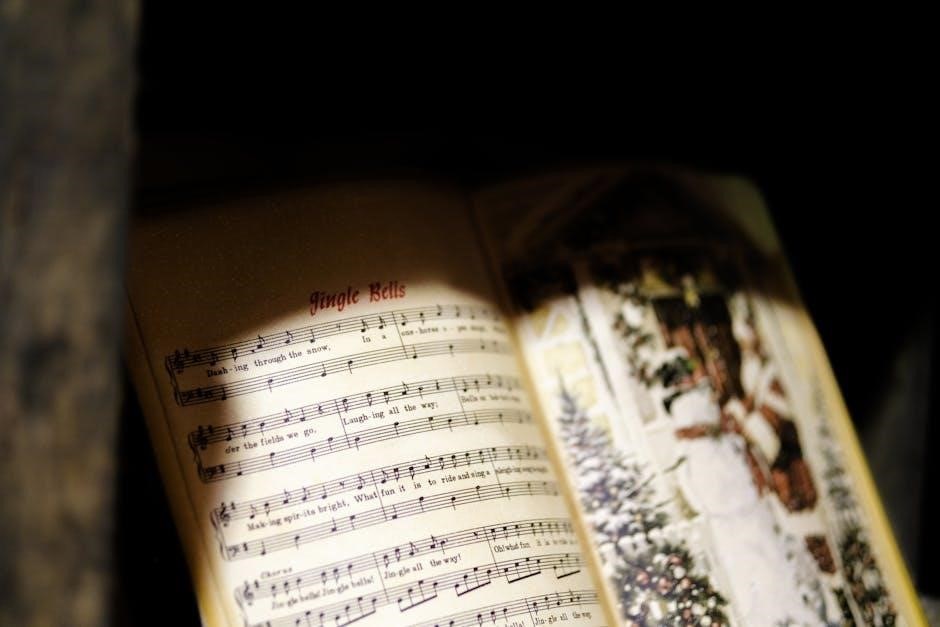
Accessing these PDF scores allows musicians to explore the nuances of this adaptation, appreciating how a Ukrainian folk song was successfully integrated into the Western musical canon.
Finding Free PDF Sheet Music Online
Numerous websites provide free “Carol of the Bells” piano sheet music PDFs, offering convenient access to scores for musicians of all levels and abilities.
Reputable Websites for Free Sheet Music
Locating trustworthy sources for free sheet music requires careful consideration, as copyright restrictions and score accuracy vary significantly across the internet. Several websites consistently offer high-quality, legally accessible arrangements of “Carol of the Bells” for piano.
IMSLP (International Music Score Library Project) is a fantastic resource, though it may contain arrangements of varying difficulty; careful filtering is advised. Musicnotes.com often provides free sample scores, including potentially sections of “Carol of the Bells,” alongside paid options.
8notes.com is another platform known for its collection of free sheet music, including simplified arrangements suitable for beginners. Free-scores.com also hosts a selection of piano scores, but verifying the arrangement’s quality is recommended. Always check the licensing terms before downloading and using any free sheet music to ensure compliance with copyright laws.
Be cautious of websites offering suspiciously easy downloads without clear copyright information, as these may infringe on intellectual property rights. Prioritizing reputable platforms ensures a legal and reliable source for your musical needs.
Searching for “Carol of the Bells Piano PDF”
Effectively searching online for “Carol of the Bells Piano PDF” requires strategic keyword combinations and awareness of potential search result variations. Utilizing specific terms like “free,” “sheet music,” “Leontovych,” and “piano solo” refines the search considerably.
Google, DuckDuckGo, and other search engines will yield numerous results, but prioritizing websites known for legitimate sheet music distribution is crucial. Filtering by file type (PDF) ensures relevant results, avoiding links to audio files or web pages without downloadable scores.
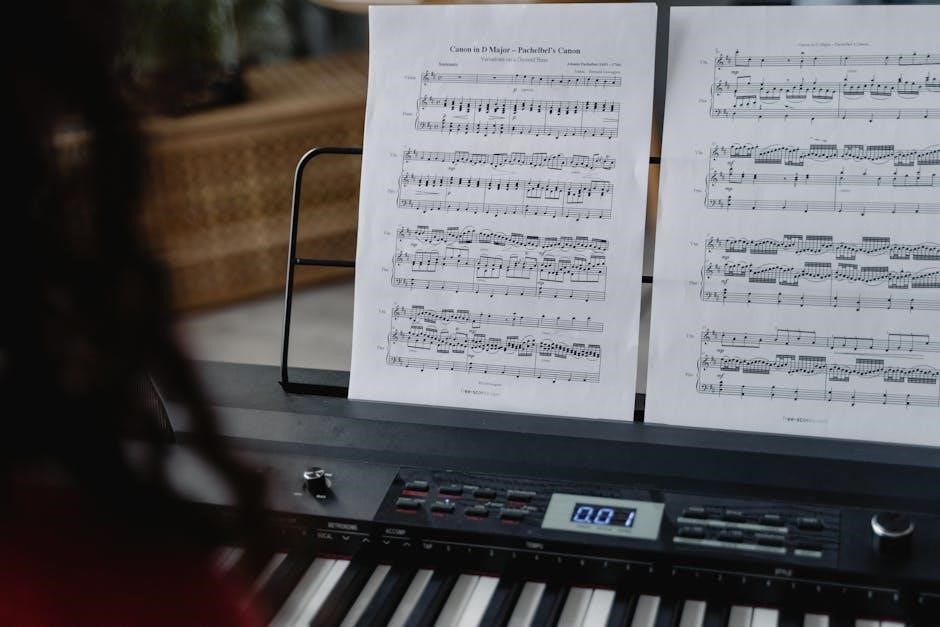
Advanced search operators, such as using quotation marks (“Carol of the Bells Piano PDF”) for exact phrase matching, can improve accuracy. Be mindful of potential malware or misleading links; always scan downloaded files with antivirus software. Exploring music forum discussions can also reveal hidden gems and reliable download sources.
Remember to critically evaluate the quality and accuracy of any free PDF sheet music found online before using it for practice or performance.
Understanding Copyright and Usage Rights
Navigating copyright laws concerning free “Carol of the Bells” piano PDF sheet music is essential for ethical music practice. While many arrangements are in the public domain, particularly older versions of Leontovych’s work, modern adaptations often retain copyright protection.
Downloading and using copyrighted sheet music without permission can infringe on the composer or arranger’s rights. “Public domain” status signifies the work is free to use, copy, and distribute without restrictions, but verifying this status is crucial.
Free sheet music websites may operate under various licensing agreements; carefully review their terms of use. Personal use is generally permitted, but commercial performance or distribution typically requires a license or permission from the copyright holder.
Respecting intellectual property ensures continued creativity and supports musicians. Always prioritize legally obtained sheet music whenever possible.
Sheet Music Variations and Arrangements
Numerous piano arrangements of “Carol of the Bells” exist in PDF format, ranging from simplified beginner versions to complex, virtuosic solos for advanced pianists.
These variations cater to diverse skill levels, offering options for solo performance, accompaniment, or ensemble playing, readily available online.
Piano Solo Arrangements
Piano solo arrangements of “Carol of the Bells” are exceptionally popular, offering a rich and fulfilling musical experience for pianists of varying abilities. Many free PDF sheet music options showcase the song’s iconic melody and harmonic structure, specifically tailored for solo performance.
These arrangements often feature intricate embellishments, dynamic variations, and expressive phrasing, allowing the pianist to interpret the piece with artistic freedom. You can find versions ranging from moderately challenging to highly advanced, accommodating different technical proficiencies.
William J. Ross’s arrangement, frequently available as a PDF, is a well-regarded example, providing detailed notations and tempo markings for a polished performance. Other solo arrangements may simplify the original composition for easier accessibility, while still retaining the song’s recognizable character.
Exploring different solo arrangements allows pianists to discover unique interpretations and expand their repertoire, all while enjoying the timeless beauty of this beloved carol. The availability of free PDF sheet music makes these arrangements readily accessible to musicians worldwide.
Intermediate Level Sheet Music
Intermediate piano sheet music for “Carol of the Bells” strikes a balance between accessibility and musical complexity, making it ideal for players with a foundational understanding of piano technique. These arrangements typically incorporate more challenging chords, rhythms, and hand coordination than beginner versions.
Free PDF sheet music at this level often includes simplified harmonies and slightly less intricate ornamentation, allowing players to focus on developing their musicality and expression. Expect to encounter some octave passages and more frequent use of the sustain pedal.
These arrangements maintain the core melodic and harmonic structure of the original song, while presenting a satisfying challenge for intermediate pianists seeking to expand their skills. They provide a stepping stone towards mastering more advanced arrangements.
Searching for “Carol of the Bells piano PDF intermediate” will yield numerous options, allowing you to find a version that suits your specific skill level and musical preferences. Practice and patience are key to successfully performing these arrangements;
Advanced Level Sheet Music
Advanced “Carol of the Bells” piano sheet music PDF options present a significant challenge, demanding a high level of technical proficiency and musical interpretation. These arrangements feature complex harmonies, intricate rhythms, and demanding hand coordination, often incorporating advanced techniques like arpeggios and complex voicing.
Free PDFs at this level may require substantial practice to master, pushing pianists to refine their skills and explore the full expressive potential of the piece. Expect to encounter challenging key signatures and rapid tempo changes.

These arrangements often include elaborate introductions, interludes, and variations on the original melody, showcasing the composer’s artistry and the pianist’s virtuosity. They demand a deep understanding of musical phrasing and dynamics.
Searching specifically for “Carol of the Bells piano PDF advanced” will uncover arrangements designed for concert-level performers. Successfully tackling these pieces requires dedication, precision, and a passion for musical excellence.
Technical Aspects of the Sheet Music
Analyzing “Carol of the Bells” sheet music reveals common key signatures, time signatures, and tempo markings crucial for accurate performance, alongside varied dynamic instructions.
Understanding musical notation symbols—like rests, accidentals, and articulation marks—is essential for interpreting the composer’s intent and delivering a polished rendition.
Key Signatures and Time Signatures
The majority of “Carol of the Bells” piano sheet music arrangements are found in the key of F minor, though variations exist adapting to different player preferences and vocal ranges. This key signature typically displays four flats – Bb, Eb, Ab, and Db – on the staff, influencing the overall tonal color and harmonic structure of the piece.
Regarding time signature, most arrangements consistently utilize 3/4 time, creating the characteristic waltz-like feel and rhythmic pulse that defines the carol’s distinctive sound. This means each measure contains three quarter note beats, contributing to the flowing, cyclical nature of the melody.

However, some simplified or adapted versions might experiment with 4/4 time for ease of play, particularly for beginner pianists. Recognizing the key and time signature is fundamental to accurately interpreting the sheet music and achieving a musically satisfying performance of this beloved holiday classic.
Careful attention to these elements ensures proper execution and a faithful representation of the composer’s original intention.
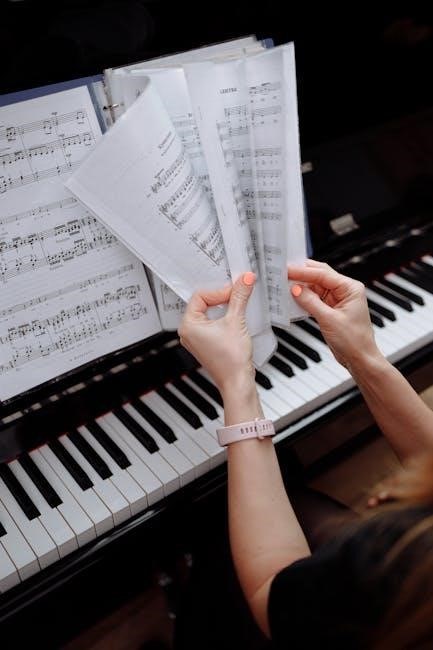
Tempo Markings and Dynamics
Most “Carol of the Bells” piano sheet music PDFs indicate a tempo ranging from Moderato to Allegro, generally between 88 and 120 beats per minute. This provides a balance between a stately, reflective mood and a lively, energetic feel, crucial for capturing the carol’s spirit.
Dynamic markings are integral to the piece’s expressive quality. Scores frequently employ a wide range, from piano (soft) to forte (loud), and often include crescendos and diminuendos to build and release tension. These dynamic shifts mirror the bell-like imagery of the song.
Effective interpretation relies on observing these markings, creating contrast and highlighting the melodic phrases. Variations in dynamics add depth and emotional resonance, transforming a simple melody into a captivating musical experience.
Paying close attention to tempo and dynamics is essential for a nuanced and impactful performance of “Carol of the Bells.”
Understanding Musical Notation Symbols
“Carol of the Bells” piano sheet music PDFs utilize standard musical notation. Recognizing symbols is key to accurate playing. Time signatures, typically 3/4 or 6/8, dictate the rhythmic structure, defining beats per measure and note values.
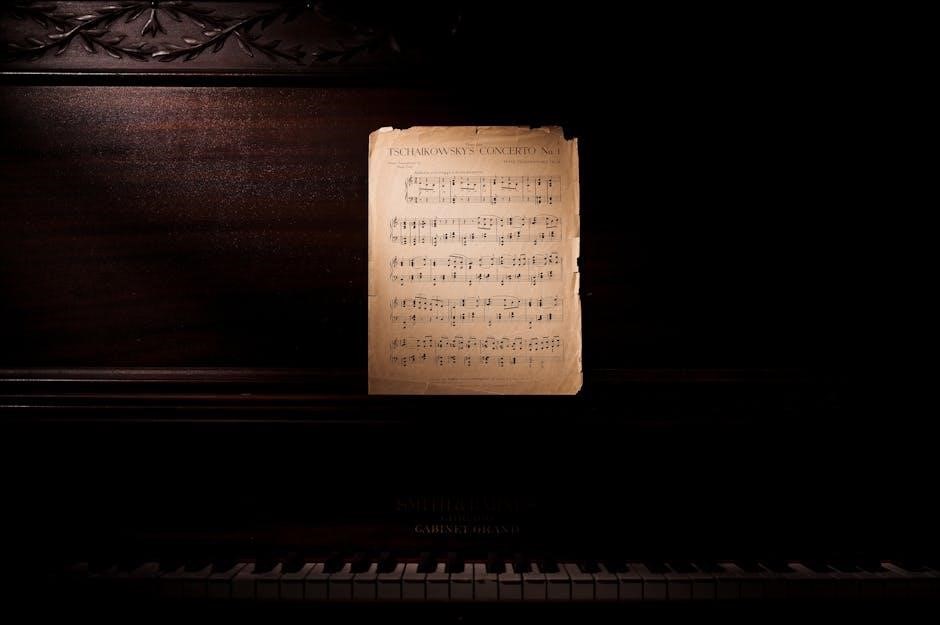
Note durations – whole, half, quarter, eighth, and sixteenth notes – determine how long each note is held. Beams connect eighth and sixteenth notes, visually grouping them into beats. Sharps (#) raise a note’s pitch, while flats (♭) lower it.
Accidentals alter notes within a measure. Repeat signs indicate sections to be played again. Legato slurs connect notes smoothly, while staccato dots shorten their duration. Understanding these symbols unlocks the musical language of “Carol of the Bells.”
Familiarity with these elements ensures a correct and expressive interpretation of the piece.
Taipei 101 and Cultural Connections (Indirectly Related)
Like Taipei 101’s impressive construction, “Carol of the Bells” showcases intricate complexity and resilience, reflecting global cultural exchange through its widespread musical adaptation.
Taipei 101 as a Modern Landmark

Taipei 101, once the world’s tallest building, stands as a symbol of modern architectural achievement and Taiwan’s economic prowess, mirroring the enduring legacy of “Carol of the Bells.” Just as the building overcame construction challenges, including earthquake resilience, the song’s adaptation from a Ukrainian folk melody demonstrates cultural fortitude.
The skyscraper’s innovative design and engineering, much like the complex musical notation found in advanced “Carol of the Bells” piano sheet music, represent a pinnacle of human creativity.
Both the building and the carol have achieved global recognition, transcending geographical boundaries and becoming iconic representations of their respective fields.
The pursuit of perfection in Taipei 101’s construction parallels the dedication musicians invest in mastering challenging piano arrangements of this beloved Christmas tune, readily available as free PDF downloads.
Ultimately, both embody a spirit of ambition and artistic expression.
Cultural Exchange and Global Music
“Carol of the Bells,” originating as the Ukrainian folk song “Shchedryk,” exemplifies the power of cultural exchange and the global reach of music, much like the international interest in accessing free piano sheet music PDFs.
Its journey from Ukraine to worldwide recognition demonstrates how melodies can transcend borders, fostering a shared musical experience across diverse communities.
The availability of free sheet music online further facilitates this exchange, allowing musicians globally to learn and perform this iconic carol.
This accessibility mirrors the spirit of cultural sharing, enabling a wider audience to appreciate and participate in the musical traditions of others.
The song’s enduring popularity, coupled with the ease of obtaining piano arrangements in PDF format, highlights the interconnectedness of global music and the power of digital platforms.
Construction Challenges and Resilience (Similar to musical complexity)
The construction of Taipei 101, facing seismic challenges in Taiwan, parallels the intricate complexities found within “Carol of the Bells” piano sheet music, particularly in advanced PDF arrangements.
Just as engineers overcame earthquake risks during the building’s creation, pianists navigate challenging passages, demanding precision and resilience.
Both endeavors require a strong foundation – structural integrity for the building, and a solid understanding of musical theory for the performance.
The building’s ability to withstand external forces mirrors a pianist’s ability to maintain rhythm and accuracy amidst complex musical phrases.
Accessing free piano sheet music PDFs doesn’t diminish the challenge; it simply provides the tools to tackle the musical “construction” with dedication and skill.
Ultimately, both Taipei 101 and mastering “Carol of the Bells” demonstrate human ingenuity and the triumph over complexity.
Downloading and Printing Sheet Music
Ensure you have a reliable PDF reader installed to view downloaded “Carol of the Bells” piano sheet music PDFs effectively and without errors;
Adjust print settings for optimal results, selecting appropriate paper size and quality to accurately represent the musical notations.
PDF Reader Requirements
To seamlessly access and view the downloaded “Carol of the Bells” piano sheet music in PDF format, a compatible PDF reader is essential. Adobe Acrobat Reader is a widely recommended, free option, providing reliable performance across various operating systems – Windows, macOS, and mobile devices.
Alternatively, numerous other PDF readers are available, such as Foxit Reader, SumatraPDF, or even built-in browser PDF viewers like Chrome or Edge. However, ensure the chosen reader fully supports PDF standards to accurately display musical notations, including symbols, dynamics, and complex layouts.
Outdated or incompatible PDF readers may cause rendering issues, resulting in distorted notes or missing elements, hindering your ability to practice effectively. Regularly updating your PDF reader to the latest version guarantees optimal compatibility and security; Furthermore, verify that the reader supports features like zooming and printing, crucial for comfortable viewing and physical copies.
Testing the PDF after download with a different reader can help troubleshoot any display problems, ensuring a clear and accurate representation of the “Carol of the Bells” arrangement.
Print Settings for Optimal Results
Achieving a high-quality print of your “Carol of the Bells” piano sheet music PDF requires careful attention to print settings. Select “Fit to Page” or “Scale to Fit” within your PDF reader’s print dialogue to ensure all musical notations are fully visible and proportionally accurate on the paper.
Opt for a print resolution of at least 300 DPI (dots per inch) for sharp, clear notes and symbols. Avoid lower resolutions, as they can result in blurry or illegible markings. Choose “Best” or “High Quality” print settings for optimal detail.
When selecting paper size, standard letter size (8.5 x 11 inches) is generally suitable, but consider A4 size if preferred. Preview the print before finalizing to confirm proper alignment and readability. Experiment with margins to maximize the printed area while maintaining clarity.
A test print of a single page is recommended to verify settings before printing the entire score, saving paper and ensuring satisfactory results.
Paper Quality Considerations
Selecting the appropriate paper significantly impacts the longevity and readability of your printed “Carol of the Bells” piano sheet music. Standard printer paper (20lb or 75gsm) is acceptable for casual use, but heavier weight paper offers superior durability and a more professional feel.
Consider using 24lb or 28lb paper for increased thickness and reduced bleed-through from ink. Bright white paper enhances contrast, making notes and symbols stand out clearly. Matte paper minimizes glare, improving visibility under various lighting conditions.
For frequent use or archival purposes, acid-free paper prevents yellowing and deterioration over time, preserving your music for years to come. Explore options like cardstock for exceptional rigidity and a premium presentation.
The choice ultimately depends on your budget and intended use, but investing in higher-quality paper enhances the overall musical experience and protects your investment.