
The North Face offers diverse backpack sizes‚ catering to various adventures—from daily commutes to alpine climbs. Understanding volume‚ measured in liters‚ is crucial for selecting the ideal pack.
Overview of The North Face Brand
The North Face has cultivated a global reputation for producing high-performance outdoor apparel and equipment since 1966. Rooted in exploration‚ the brand consistently pushes boundaries in innovation‚ designing gear for athletes and adventurers worldwide. Their commitment extends beyond functionality‚ emphasizing sustainability and responsible manufacturing practices.
When it comes to backpacks‚ The North Face offers a wide spectrum of options‚ from streamlined daypacks like the Vault and Borealis to larger expedition packs designed for multi-day treks. This extensive range necessitates a clear understanding of sizing‚ as a properly fitted backpack significantly enhances comfort and efficiency. The brand’s dedication to quality ensures durability‚ making their backpacks reliable companions for any journey. Choosing the right North Face backpack involves considering not only the activity but also individual body type and gear volume.
Importance of Choosing the Right Size
Selecting the correct backpack size is paramount for a comfortable and safe experience‚ regardless of the adventure. An ill-fitting pack can lead to strain‚ discomfort‚ and even injury‚ detracting from enjoyment and hindering performance. A backpack that’s too large encourages overpacking‚ adding unnecessary weight‚ while one that’s too small leaves essential gear behind.
Proper sizing distributes weight effectively across your hips and shoulders‚ minimizing stress points. The North Face backpacks are designed with features like adjustable torso lengths and hip belts to accommodate diverse body types. Understanding volume – measured in liters – is a key starting point‚ but considering torso length and the specific demands of your activity are equally crucial. Investing time in finding the right fit ensures optimal load carriage and maximizes your outdoor experience.

Understanding Backpack Sizing
Backpack sizing revolves around volume (liters) and torso length; these determine capacity and fit. Choosing correctly ensures comfort and efficient weight distribution during activities.
Volume in Liters: A Key Metric
When navigating The North Face backpack selection‚ volume‚ measured in liters‚ stands as the primary indicator of a pack’s capacity. This metric directly correlates to how much gear the backpack can realistically hold. Smaller daypacks typically range from 20 to 30 liters‚ suitable for essentials like water‚ snacks‚ and a light jacket – ideal for shorter hikes or daily use.
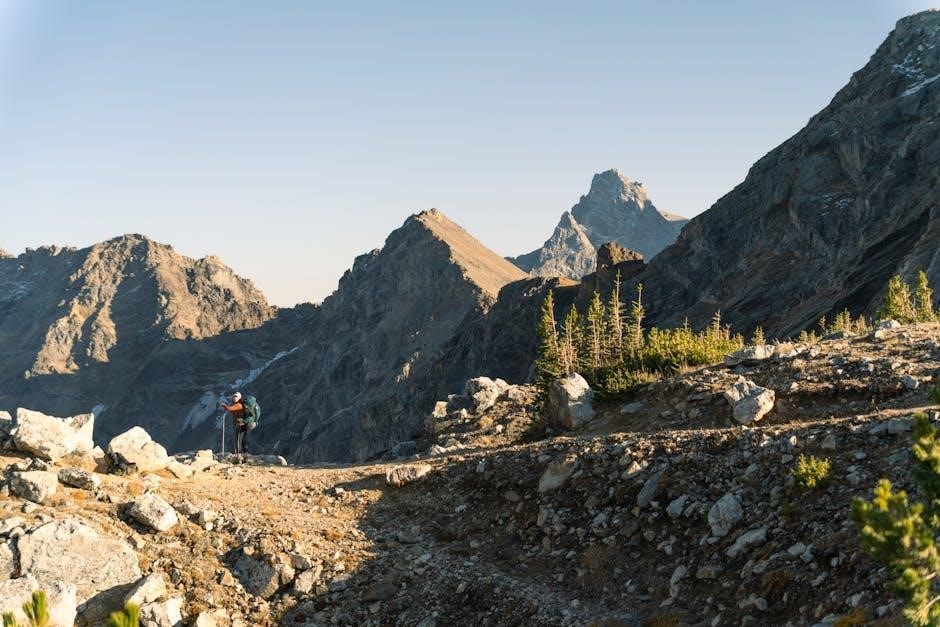
Mid-sized backpacks‚ around 30 to 50 liters‚ strike a balance‚ accommodating overnight gear or extended day trips. Larger packs‚ exceeding 50 liters‚ are designed for multi-day backpacking adventures‚ requiring space for tents‚ sleeping bags‚ and substantial provisions. The Borealis‚ for example‚ offers 28 liters‚ while larger alpine packs can reach significantly higher volumes.
Understanding your trip duration and the bulk of your gear is paramount. Accurately assessing your needs in liters prevents overpacking or‚ conversely‚ being unprepared. Consider the type of activities you’ll be undertaking; a minimalist approach often allows for a smaller‚ more comfortable pack.
Torso Length vs. Backpack Size
While liter capacity defines volume‚ a backpack’s fit hinges significantly on your torso length‚ not just your overall height. The North Face designs backpacks with varying sizes to accommodate different torso lengths‚ ensuring optimal weight distribution and comfort. Measuring your torso – from the C7 vertebra (prominent bone at the base of your neck) to the iliac crest (top of your hip bones) – is crucial.
Backpacks typically come in small‚ medium‚ and large sizes‚ correlating to specific torso length ranges. A properly fitted pack transfers most of the weight to your hips‚ reducing strain on your shoulders. If a pack feels too long or short‚ it can lead to discomfort and fatigue.
Many North Face retailers offer fitting services to help determine your ideal size. Considering your body type and adjusting the shoulder straps‚ hip belt‚ and sternum strap are essential for a secure and comfortable carry‚ regardless of the pack’s volume.
Backpack Sizes for Different Activities
The North Face offers backpacks tailored to diverse activities‚ each requiring a specific size range. For day hikes or daily commutes‚ packs between 20-30 liters‚ like the Borealis‚ are often sufficient‚ comfortably carrying essentials like water‚ snacks‚ and a light jacket.
Overnight trips or weekend adventures necessitate larger capacities‚ typically 30-50 liters. Models like the Jester provide ample space for sleeping bags‚ cooking gear‚ and extra clothing. Extended backpacking trips‚ lasting several days‚ demand packs exceeding 50 liters‚ such as the Super Pack‚ to accommodate all necessary supplies.
Alpine climbing or technical expeditions require specialized packs‚ often around 40-70 liters‚ prioritizing streamlined designs and attachment points for gear like ropes and ice axes. Selecting the right size ensures efficient load management and enhances your overall experience‚ aligning with the demands of your chosen activity.
Popular North Face Backpack Models & Sizes
The North Face’s Borealis (28L)‚ Vault (various)‚ and Jester (34L) backpacks are popular choices‚ each offering unique features and dimensions to suit different needs and adventures.
Borealis Backpack: Sizes and Dimensions
The North Face Borealis backpack is a classic‚ versatile option favored for both daily use and light hiking. Typically‚ the Borealis is offered in a “One Size” configuration‚ though variations exist. The standard Borealis boasts dimensions of approximately 39 x 49 x 16 cm (15.4 x 19.3 x 6.3 inches).
Its volume capacity is a comfortable 28 liters‚ making it suitable for carrying books‚ work essentials‚ or a moderate amount of outdoor gear. A key feature is the FlexVent suspension system‚ designed for comfort and support. The Borealis also includes a padded laptop sleeve and dual water bottle pockets for convenient organization.
Notably‚ a “Borealis Mini” version is available‚ offering a smaller 10-liter capacity for those needing a more compact daypack. Weight for the standard Borealis averages around 2 lbs 5 oz (1050 g). Always confirm specific dimensions with the retailer‚ as slight variations can occur.
Vault Backpack: Size Options Explained
The North Face Vault backpack generally comes in a “One Size” option‚ designed to accommodate a broad range of users. However‚ understanding its dimensions is key to ensuring a proper fit; The Vault typically measures around 30.5 cm x 16.5 cm x 49.5 cm (12 x 6.5 x 19.5 inches).
This translates to a volume capacity of approximately 28 liters‚ making it ideal for students or commuters needing to carry books‚ a laptop‚ and daily essentials. It features a dedicated‚ padded laptop compartment and multiple organizational pockets. The backpack’s construction prioritizes durability and a sleek‚ minimalist aesthetic.
While a single size is standard‚ consider your torso length and typical load when assessing the fit. Individuals with shorter torsos may find it sits slightly high‚ while those with longer torsos should ensure the hip belt aligns comfortably. Check retailer websites for the most up-to-date specifications.
Jester Backpack: Finding Your Fit
The North Face Jester backpack is known for its robust build and ample storage‚ often favored by students and travelers. While specific size variations can exist depending on the year and retailer‚ the standard Jester typically offers a generous capacity around 34 liters. Dimensions generally fall around 48.3 cm x 34.3 cm x 24.1 cm (19 x 13.5 x 9.5 inches).
Finding the right fit with the Jester involves considering its adjustable shoulder straps and sternum strap. These allow for customization to suit different body types. The padded back panel and hip belt contribute to comfort‚ especially when carrying heavier loads.
Because of its larger volume‚ ensure the pack doesn’t extend too far beyond your torso length when fully loaded. A properly fitted Jester distributes weight effectively‚ minimizing strain. Always check the official North Face website or retailer size charts for the most accurate and current information.
Detailed Size Guide for Specific Backpacks
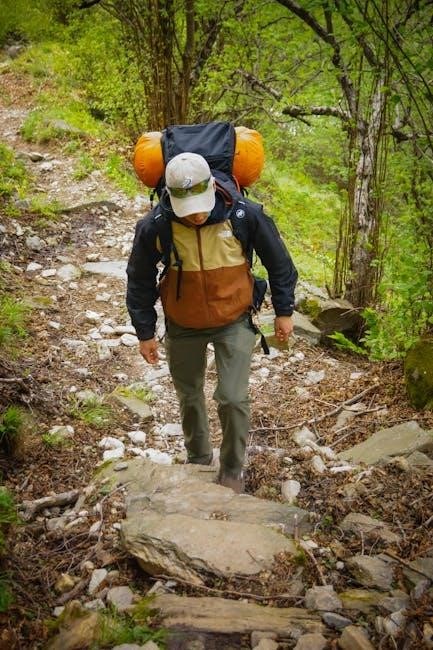
The North Face provides detailed specifications for each model‚ including volume in liters and precise dimensions. Referencing these guides ensures optimal fit and capacity for your needs.
The North Face Super Pack: Size Specifications
The North Face Super Pack‚ designed for demanding alpine climbing‚ currently appears to be offered in a single‚ universal size. While a “one size” approach simplifies selection‚ understanding its dimensions is vital. This pack boasts substantial capacity‚ geared towards extended expeditions requiring significant gear volume.
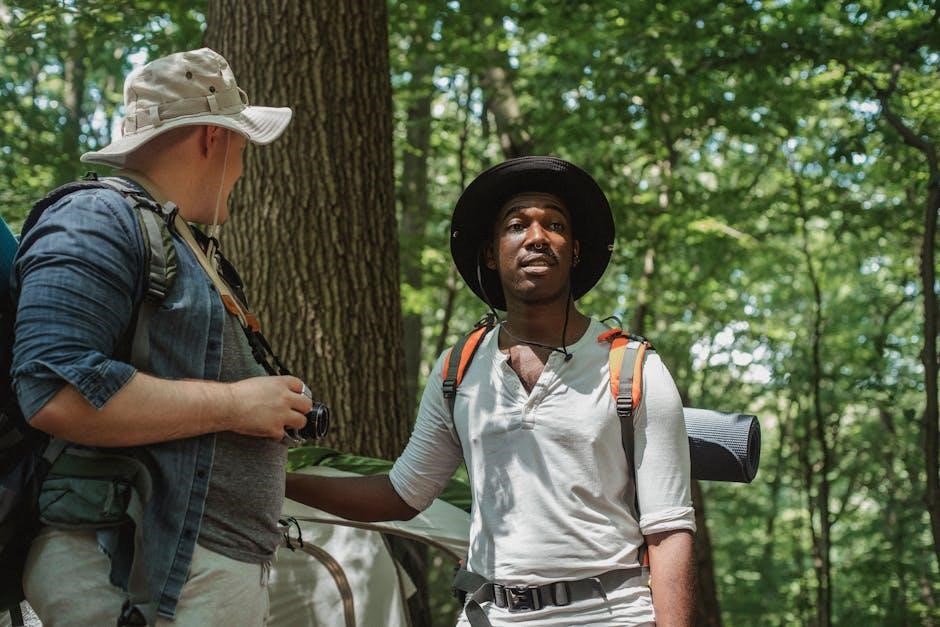
Specifically‚ the Super Pack’s dimensions are not widely publicized in a standardized format‚ differing slightly based on how it’s measured when fully loaded. However‚ it’s built to accommodate a large payload‚ prioritizing durability and functionality over varied sizing options.
Users should focus on ensuring the pack’s overall volume—estimated to be around 65 liters or more—aligns with their typical trip duration and gear requirements. Given its specialized design‚ the Super Pack isn’t intended for everyday use or shorter excursions. Proper load distribution and torso fit adjustments are crucial‚ even with the single size‚ to maximize comfort and minimize strain during challenging climbs.
Trail Lite Backpack: Size Variations
The North Face Trail Lite Backpack series offers a range of sizes to accommodate different adventure lengths and gear volumes. Commonly available options include a 12-liter version‚ ideal for quick hikes and essential carry‚ and larger capacities suitable for day-long explorations. While specific size availability may vary by retailer and region‚ the core principle remains providing versatile options.
The 12-liter model is designed for minimalist packing‚ focusing on hydration and essential supplies. Larger Trail Lite iterations‚ potentially reaching 20-30 liters‚ offer increased space for layers‚ food‚ and additional gear. It’s important to note that The North Face often releases variations‚ including women’s-specific fits‚ which may subtly alter dimensions for enhanced comfort.
When selecting a Trail Lite size‚ consider the typical duration of your hikes and the amount of gear you usually carry. Checking the official North Face website or retailer size charts is crucial for accurate specifications and ensuring a proper fit.
Big Shot Backpack: Size and Capacity
The North Face Big Shot Backpack is primarily designed as a versatile‚ everyday carry solution‚ rather than a dedicated hiking or backpacking pack. It typically comes in a single‚ standard size‚ making the selection process straightforward. However‚ understanding its capacity is key to determining if it meets your needs.
The Big Shot generally boasts a volume of approximately 33 liters‚ offering ample space for books‚ a laptop (often with a dedicated padded sleeve)‚ gym clothes‚ and daily essentials. Its dimensions are roughly 19.7″ x 13″ x 9.8″‚ providing a substantial‚ yet manageable‚ carrying capacity.
While a “one-size-fits-most” approach is adopted‚ comfort is enhanced through adjustable shoulder straps and a padded back panel. It’s crucial to verify the laptop sleeve dimensions to ensure compatibility with your device. For those needing larger capacity or specialized features‚ exploring other North Face models might be more suitable.
Factors to Consider When Choosing a Size
Trip duration‚ gear volume‚ and body type significantly impact backpack selection. Consider gender-specific designs for optimal comfort and a secure‚ balanced fit.
Trip Duration and Gear Volume
Determining the appropriate North Face backpack size hinges on both the length of your intended trip and the volume of gear you need to carry. A short day hike necessitates a smaller pack‚ typically ranging from 20 to 30 liters‚ sufficient for essentials like water‚ snacks‚ a first-aid kit‚ and an extra layer.
However‚ multi-day backpacking trips demand significantly more capacity. For overnight excursions‚ consider a pack between 30 and 50 liters. Extended adventures lasting several days or even weeks require packs exceeding 50 liters‚ potentially reaching 70 liters or more‚ to accommodate tents‚ sleeping bags‚ cooking equipment‚ and ample food supplies.
Carefully assess your gear list and estimate its total volume. Remember to account for bulky items like sleeping bags and clothing. It’s generally better to have a slightly larger pack than one that’s too small‚ as you can always compress the contents‚ but a cramped pack leads to discomfort and inconvenience.
Body Type and Comfort
Beyond trip length and gear volume‚ your individual body type significantly impacts backpack comfort and fit. North Face backpacks come in various sizes and designs to accommodate different torsos and builds. A properly fitted pack distributes weight evenly across your hips and shoulders‚ minimizing strain and maximizing comfort.
Individuals with longer torsos generally require larger backpack sizes‚ while those with shorter torsos may find smaller packs more suitable. It’s crucial to measure your torso length – the distance from your C7 vertebra (the bony bump at the base of your neck) to your iliac crest (the top of your hip bones) – to determine the appropriate pack size.
Consider your overall build as well. If you have broader shoulders or a wider frame‚ you may prefer a pack with adjustable shoulder straps and a wider hip belt. Prioritize trying on backpacks with weight to simulate real-world conditions and ensure a comfortable‚ secure fit.
Gender-Specific Backpack Designs
The North Face recognizes anatomical differences between men and women‚ offering gender-specific backpack designs. Women’s backpacks typically feature shorter torso lengths‚ narrower shoulder straps‚ and contoured hip belts designed to better fit the female form. These adjustments enhance comfort and weight distribution‚ preventing chafing and pressure points.
Men’s backpacks‚ conversely‚ are generally designed with longer torso lengths‚ wider shoulder straps‚ and straighter hip belts to accommodate broader shoulders and a different center of gravity. While not mandatory‚ choosing a gender-specific pack can significantly improve fit and comfort‚ especially on longer treks.
However‚ individual body shapes vary‚ so it’s always best to try on both men’s and women’s models to determine which feels most comfortable. Don’t solely rely on gender labels; prioritize fit and functionality over categorization. Adjustable features are key to achieving a personalized and supportive fit.
Where to Find More Information
The North Face official website provides detailed size charts and specifications. Retailer websites‚ like Street‚ also offer helpful guides and customer reviews for informed decisions.
The North Face Official Website
The North Face’s official website is the premier resource for comprehensive backpack sizing information. Each product page features detailed specifications‚ including volume in liters‚ dimensions (height‚ width‚ depth)‚ and average weight. You’ll find precise measurements allowing for accurate comparisons between models.
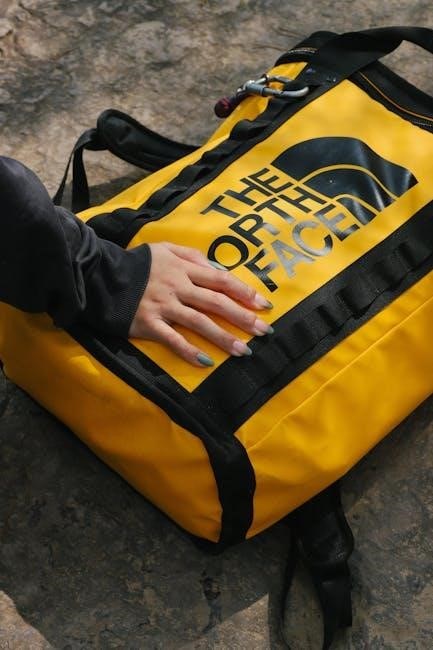
Beyond basic dimensions‚ the website often includes guidance on torso length recommendations for specific backpacks‚ ensuring a comfortable and secure fit. Interactive features‚ such as size guides and fit finders‚ can further assist in your selection process. High-resolution images and 360-degree views provide a visual understanding of the backpack’s size and features.
Furthermore‚ the official site frequently hosts articles and blog posts dedicated to backpack selection‚ offering expert advice on choosing the right size for different activities and body types. Customer reviews and Q&A sections provide valuable insights from other users‚ helping you make an informed decision. Don’t hesitate to utilize their resources!
Retailer Websites and Size Charts
Numerous retailers carrying The North Face backpacks provide valuable sizing information on their websites. These often mirror the specifications found on the official The North Face site‚ including volume in liters and detailed dimensions. However‚ retailer sites frequently offer comparative charts‚ showcasing multiple models side-by-side‚ simplifying the selection process.
Look for dedicated size guides‚ often presented as downloadable PDFs or interactive tools. These charts typically correlate torso length with recommended backpack sizes‚ ensuring a proper fit. Many retailers also include customer reviews mentioning fit experiences‚ offering real-world perspectives.
Be mindful that sizing information can sometimes vary slightly between retailers due to measurement discrepancies. Always cross-reference the dimensions with the official The North Face specifications when possible. Utilize retailer filtering options to narrow your search based on volume or intended activity‚ streamlining your backpack hunt.