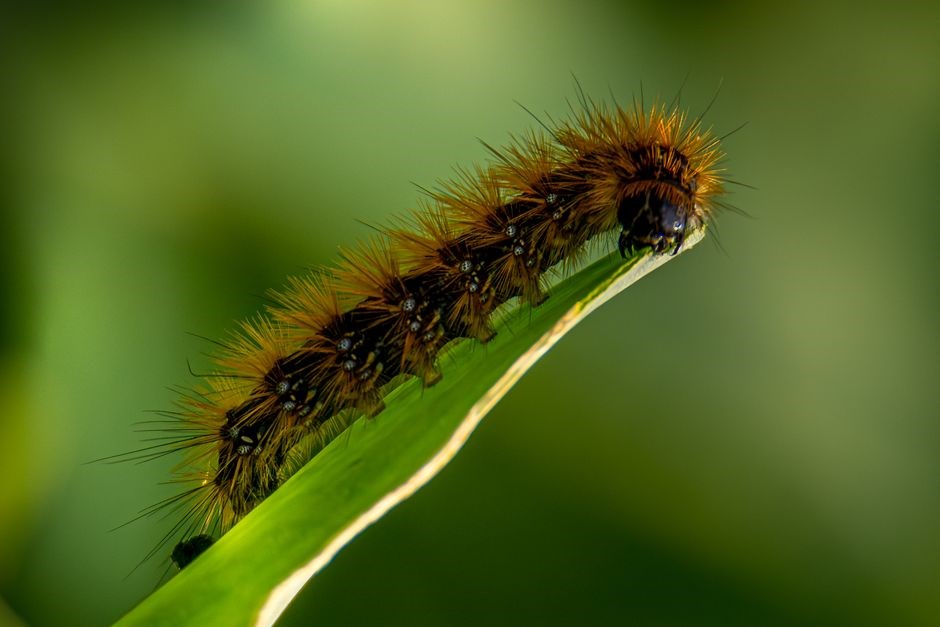
The Very Hungry Caterpillar PDF gives readers a digital copy of Eric Carle’s classic‚ keeping its illustrations rhythmic story intact. Users follow the caterpillar’s growth from egg to butterfly‚ with interactive learning tools. It encourages counting‚ observation‚ for childrenteachersand learning.
1.1 Overview of the Book
Eric Carle’s The Very Hungry Caterpillar follows a tiny caterpillar’s journey from egg to butterfly‚ counting days and foods in a rhythmic‚ colorful tale that teaches growth and transformation. learning.! Lorem ipsum dolor sit amet‚ consectetur adipiscing elit. Lorem ipsum dolor sit amet‚ consectetur adipiscing elit. Lorem ipsum dolor sit amet‚ consectetur adipiscing elit. Lorem ipsum dolor sit amet‚ consectetur adipiscing elit. Lorem ipsum dolor sit amet‚ consectetur adipiscing elit. Lorem ipsum dolor sit amet‚ consectetur adipiscing elit. Lorem ipsum dolor sit amet‚ consectetur adipiscing elit. Lorem ipsum dolor sit amet‚ consectetur adipiscing elit. Lorem ipsum dolor sit amet‚ consectetur adipiscing elit. Lorem ipsum dolor sit amet‚ consectetur adipiscing elit. Lorem ipsum dolor sit amet‚ consectetur adipiscing elit. Lorem ipsum dolor sit amet‚ consectetur adipiscing elit. Lorem ipsum dolor sit amet‚ consectetur adipiscing elit. Lorem ipsum dolor sit amet‚ consectetur adipiscing elit. Lorem ipsum dolor sit amet‚ consectetur adipiscing elit. Lorem ipsum dolor sit amet‚ consectetur adipiscing elit. Lorem ipsum dolor sit amet‚ consectetur adipiscing elit. Lorem ipsum dolor sit amet‚ consectetur adipiscing elit. Lorem ipsum dolor sit amet‚ consectetur adipiscing elit. Lorem ipsum dolor sit amet‚ consectetur adipiscing elit. End.XXXXXXXXXXXXXXXXXXXXX
1;2 Popularity and Cultural Impact
Since its 1969 debut‚ The Very Hungry Caterpillar has become a cultural touchstone‚ inspiring millions of children worldwide. Its simple‚ rhythmic narrative and striking collage illustrations have made it a staple in early childhood education‚ appearing in classrooms‚ libraries‚ and bedtime routines across continents. The book’s influence extends beyond the printed page: it has spawned a wide range of merchandise‚ from plush toys to themed apparel‚ and has been adapted into animated films‚ stage productions‚ and interactive digital apps. Educational curricula often incorporate the story to teach counting‚ days of the week‚ and the life cycle of insects‚ reinforcing foundational concepts through engaging visuals. The book’s popularity is reflected in its enduring sales‚ with over 50 million copies sold globally‚ and its presence in countless reading lists and literacy programs. Its impact is also evident in the proliferation of fan art‚ academic studies‚ and cultural references‚ demonstrating how a simple tale can resonate across generations and cultures. Moreover‚ the book’s rhythmic structure and repetitive phrasing have made it a favorite for sing‑alongs and storytelling sessions‚ while its simple yet profound depiction of growth has inspired countless educators to use it as a spring‑board for interdisciplinary lessons that blend art‚ science‚ and literacy‚ fostering curiosity and a love for learning in young minds worldwide. Its legacy continues to inspire!Kids.
Finding and Accessing the PDF
To locate The Very Hungry Caterpillar PDF‚ start with the publisher’s official site or reputable ebook retailers. Libraries offer digital loans via OverDrive or Hoopla. If searching third‑party sites‚ verify file safety and copyright status before downloading. Always use trusted sources. Enjoy!!
2.1 Official Sources and Publishers
The Very Hungry Caterpillar PDF can be acquired through the author’s official channels‚ ensuring both quality and compliance with copyright law. The primary publisher‚ Random House‚ distributes the title across multiple platforms‚ including its own digital storefront and licensed partners such as Amazon Kindle‚ Apple Books‚ Google Play Books‚ and Barnes & Noble Nook. Each of these retailers offers a secure‚ DRM‑protected PDF or e‑book format that preserves the original layout‚ color palette‚ and interactive elements that make Eric Carle’s work distinctive. For educators and institutions‚ the publisher’s website provides bulk‑purchase options and educational bundles that often include supplementary lesson plans‚ activity sheets‚ and teacher guides. Additionally‚ the official Carle website hosts a free‚ downloadable PDF of the first chapter‚ which can serve as a preview or a teaching aid. Public libraries frequently provide access to the PDF through digital lending services such as OverDrive‚ Libby‚ and Hoopla. These platforms authenticate users via library cards‚ allowing temporary‚ legal downloads that can be read offline on a variety of devices. When selecting an official source‚ always verify the publisher’s name and the presence of a secure HTTPS connection to protect against counterfeit or pirated copies. By choosing legitimate distributors‚ readers not only receive a faithful reproduction of the beloved story but also support the creators
2.2 Third-Party Websites and Libraries
While official channels are preferred‚ many users turn to third‑party sites for convenience or cost reasons. These platforms often aggregate PDFs from various sources‚ offering free downloads‚ bulk collections or subscription models. Popular examples include Project Gutenberg‚ Internet Archive‚ and Scribd‚ each providing a searchable database where users can locate “The Very Hungry Caterpillar” PDF. However‚ the legality and quality of such copies vary widely. Some sites host scanned images that lack the original color fidelity‚ while others may embed malware or require dubious account creation steps. Libraries that partner with digital services—such as OverDrive‚ Libby‚ or Hoopla—offer legitimate access through library cards‚ ensuring compliance with copyright law. These services typically provide DRM‑protected PDFs that respect the author’s rights and include features like adjustable text size‚ bookmarking‚ and offline reading. When using third‑party sites‚ it is crucial to verify the source’s reputation‚ read user reviews‚ and scan the file with up‑to‑date antivirus software. Additionally‚ educators should check whether the file includes the accompanying activity sheets or if they need to be sourced separately. In summary‚ while third‑party options can broaden accessibility‚ users must exercise caution to avoid infringing content and to maintain a safe‚ high‑quality reading experience. Readers can also explore apps that animate the story‚ offering a multisensory learning journey for children and families kids!
Legal and Ethical Considerations
Downloading or sharing “The Very Hungry Caterpillar” PDF without permission violates copyright law. Only authorized distributors or public‑domain versions are legal. Respect authors’ rights‚ use licensed copies‚ and consider fair‑use limits for educational purposes. Verify license before sharing.
3.1 Copyright Status and Public Domain
Eric Carle’s “The Very Hungry Caterpillar” remains under copyright protection‚ as the original publication date of 1969 places it well outside the domain in most jurisdictions. The United States‚ for example‚ applies a 95‑year rule for works published before 1978‚ meaning the book will not enter the public domain until 2064. In the European Union‚ the term is 70 years after the author’s death; Carle‚ who passed away in 2023‚ would therefore see the work become public domain in 2093. Because the text and illustrations are still protected‚ any digital copy—PDF or otherwise—must be obtained through licensed channels. Unauthorized copies violate copyright law and can lead to civil liability or‚ in extreme cases‚ criminal penalties. Some publishers offer digital versions for purchase or through library lending systems that comply with licensing agreements. Additionally‚ certain educational institutions may secure bulk licenses that allow students to access the PDF legally for classroom use. When using the PDF for teaching‚ educators should ensure that the distribution complies with the terms of the license‚ typically restricting sharing to a single user or a defined group. The only scenario in which a PDF could be considered public domain is if the publisher explicitly releases it under a Creative Commons license or a similar open‑access arrangement‚ but no such release exists as of the current date. Therefore‚ the safest practice is to acquire the PDF from official sources or authorized distributors‚ respecting the intellectual property rights of the author and publisher. Verify license before downloading.!!
3.2 Fair Use and Educational Licenses
In the United States‚ the doctrine of fair use permits limited copying of copyrighted material for purposes such as criticism‚ comment‚ news reporting‚ teaching‚ scholarship‚ or research. When applied to a PDF of “The Very Hungry Caterpillar‚” educators must weigh four statutory factors: the purpose and character of the use‚ the nature of the copyrighted work‚ the amount and substantiality of the portion used‚ and the effect on the market value. A lesson plan that excerpts a single page for a brief discussion typically satisfies the first factor‚ especially if the material is transformed into a new context or accompanied by analysis. The second factor favors the protection of the original‚ as the book is a creative‚ non‑fiction work. The third factor requires that only the minimal amount necessary be used; copying an entire chapter or the full PDF would likely exceed this threshold. The fourth factor examines whether the use competes with the original; a classroom setting where the PDF is not sold or distributed widely generally does not harm the market. Publishers such as Penguin Random House offer licenses for classroom use‚ often at a nominal fee or through a subscription model; These licenses typically cover activities like group reading‚ discussion‚ and student‑created projects‚ ensuring compliance with copyright law. This approach protects both the rights holder and the educational community‚ fostering responsible use of copyrighted content while enriching learning experiences. Students can also use excerpts to create comparative analyses with other picture books‚ thereby deepening their understanding of narrative structure and visual storytelling. Such activities reinforce literacy skills while respecting authorship rights and students!!!
Technical Tips for Reading the PDF
Use a lightweight reader like SumatraPDF or Adobe Acrobat Reader DC for fast loading. Enable zoom and page‑fit options to preserve Carle’s colors. Activate “Read Aloud” or screen‑reader mode for accessibility. Bookmark key pages for quick reference!!!

4.1 Recommended PDF Readers and Tools
Adobe Acrobat Reader DC remains the industry standard for viewing PDFs. Its lightweight interface supports full‑screen mode‚ zoom‚ and a “Read Aloud” feature that narrates the text‚ making the story accessible for visually impaired readers. Annotation tools let teachers add notes‚ highlight passages‚ and track student progress—without leaving the document.
SumatraPDF is a lightweight‚ open‑source reader that loads pages instantly. Its interface keeps the focus on the illustrations‚ and the view prevents accidental navigation. The bookmark panel can be matched to each chapter‚ making it easy to jump back to a favorite page.
Foxit Reader offers a fast‚ low‑memory footprint and a “Reader” mode that hides toolbars for a clean view. Its annotation suite includes text‑to‑speech‚ notes‚ and a “Night Mode” that reduces eye strain. The scroll option keeps the caterpillar’s journey flowing without page breaks.
PDF‑XChange Editor is a powerful alternative that supports markup‚ form‑filling‚ and a “Comment” pane for collaborative feedback. It can batch‑convert pages to PNGs‚ making it ideal for creating classroom posters or printable worksheets that preserve the original layout.
For collaborative projects‚ cloud‑based editors like Google Docs (via PDF import) or Microsoft OneDrive let teachers comment simultaneously. Their version history tracks changes‚ ensuring the PDF’s original layout remains intact while annotations evolve. This workflow supports lesson plans and peer review and peer review.
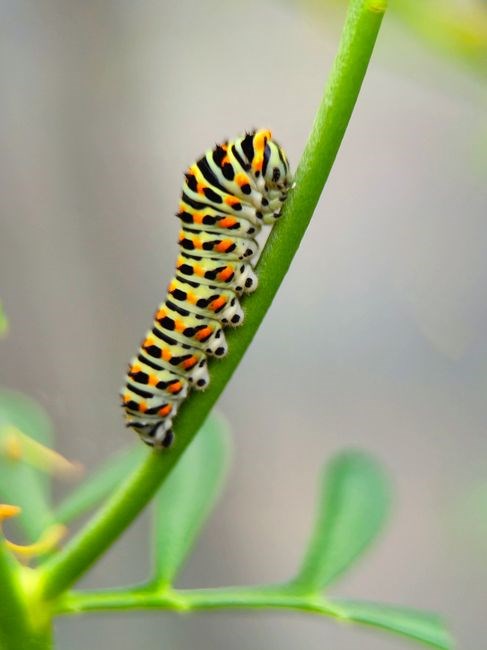
Educational Uses and Activities
Use the PDF to teach counting‚ days‚ and life cycles. Students can trace numbers‚ label days‚ and create a caterpillar chart. Teachers can assign drawing tasks‚ write short summaries‚ and integrate digital quizzes. The interactive format supports collaborative learning. Students create a timeline.!
5.1 Classroom Integration Ideas
Use the Very Hungry Caterpillar PDF as a multi‑disciplinary lesson starter. Begin with a shared reading‚ pausing after each page to discuss the caterpillar’s meals and the days of the week. Students annotate the PDF‚ noting foods and colors‚ supporting observation skills. In math‚ learners count items on each page and calculate total foods eaten‚ reinforcing addition and subtraction. For literacy‚ students rewrite the story in their own words‚ practicing narrative structure. Vocabulary expands by highlighting key terms such as “egg‚” “caterpillar‚” and “butterfly‚” and students create flashcards or a digital glossary. Science follows naturally: discuss metamorphosis‚ life cycles‚ and habitats‚ linking the story to real‑world biology. Art projects can involve reproducing Carle’s collage style with recycled materials‚ fostering creativity. Finally‚ students design their own “caterpillar story” PDF‚ incorporating illustrations‚ text‚ and interactive elements‚ showcasing comprehension‚ creativity‚ and technical skill. Teachers can use PDF annotation tools to allow students to highlight‚ comment‚ and share insights‚ promoting collaboration and critical thinking. Digital tools also support differentiated instruction‚ enabling educators to provide guided notes for struggling readers while offering extension tasks for advanced learners. Students can also create a digital scrapbook of the caterpillar’s journey‚ using images‚ captions‚ and voice recordings to enhance multimodal learning. Enjoy!!
5.2 Creative Projects and Extensions
Transform the PDF into a hands‑on exploration. Students can create a life‑cycle board by cutting out the caterpillar‚ cocoon‚ and butterfly pages‚ then arranging them in sequence on a poster. For a digital twist‚ use a slide deck to animate the transformation‚ adding voice‑over narration that explains each stage. Another idea is to design a “food diary” worksheet: students record the number of foods eaten each day‚ then graph the data to visualize growth. In art‚ pupils replicate Carle’s collage technique with mixed media‚ layering paper‚ fabric‚ and natural elements to build a 3‑D caterpillar. Science labs can involve observing real caterpillars in a controlled environment‚ comparing their development to the story. Language arts projects include writing alternate endings‚ creating a comic strip‚ or composing a poem about metamorphosis. Technology integration allows students to use PDF annotation tools to highlight key terms‚ add sticky notes‚ and embed hyperlinks to related resources. Finally‚ a community outreach project could involve printing copies of the PDF for local libraries‚ pairing the story with a “garden” activity where children plant seeds that grow into butterflies‚ reinforcing the narrative’s ecological message. These projects not only deepen comprehension but also foster creativity‚ collaboration‚ and a lifelong love of reading. Students can also share their creations online‚ creating a digital gallery that encourages peer feedback and showcases diverse interpretations of the story. This approach blends learning withtechnology