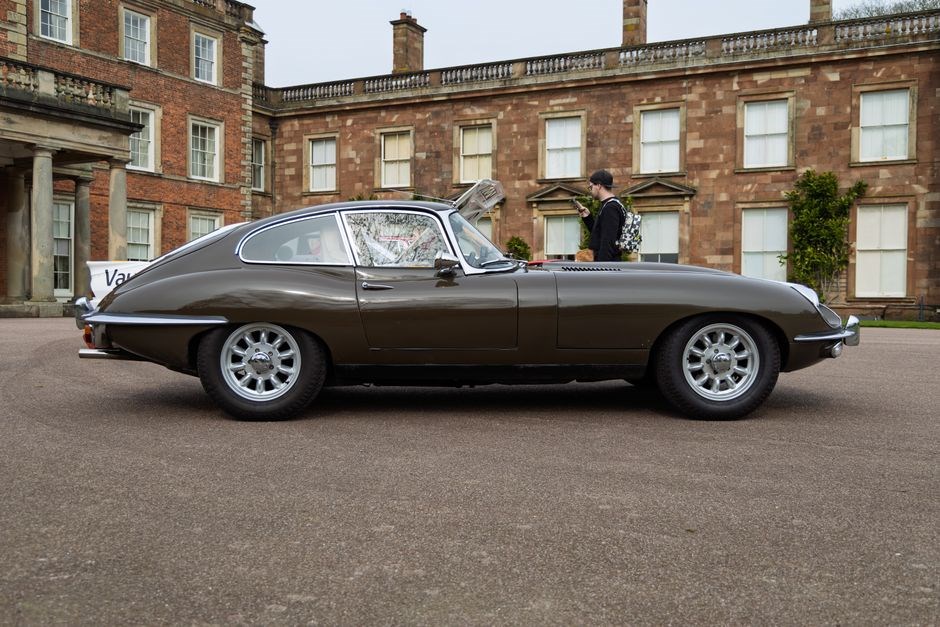
The 2015 launch of the 6‑speed ZF manual in the Jaguar F‑Type answered purist demand, offering a tactile shift absent from the default 8‑speed automatic. Though limited to certain V6 models, it revived classic driving feel while retaining the F‑Type’s striking design Adds lightweight chassis agility
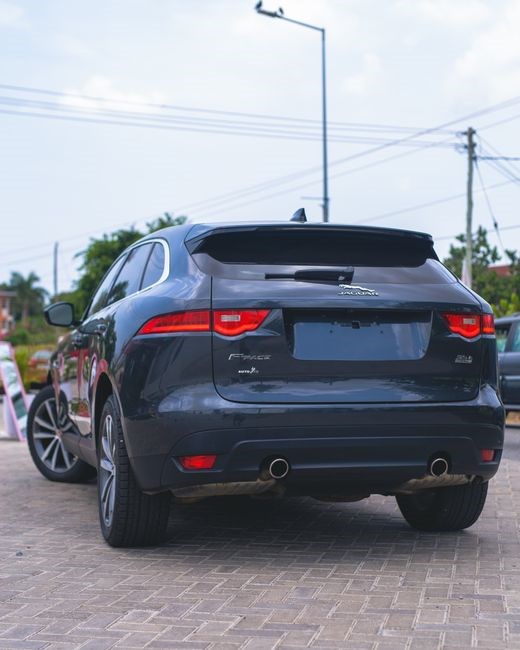
Historical Evolution of Manual Transmission in F-Type
The F‑Type began as an automatic‑only model, but 2015 saw the 6‑speed ZF manual introduced for V6 engines, satisfying enthusiasts. This shift marked a return to driver engagement, though it remained exclusive to certain variants, reflecting Jaguar’s balance of performance and tradition. and heritage. now!
Initial Automatic-Only Strategy
When the F‑Type first entered production in 2013, Jaguar committed to a single transmission path: an 8‑speed ZF automatic. This choice reflected the brand’s focus on smooth, high‑performance driving and the desire to showcase the car’s dynamic handling without the mechanical complexity of a manual. The 8‑speed unit, known for its rapid gear changes and refined torque delivery, paired seamlessly with the 3.0‑liter V6 and 5.0‑liter V8 powertrains, providing both acceleration and fuel efficiency. The automatic’s close gear ratios and adaptive shift logic were designed to keep the engine within its optimal power band, enhancing both performance and daily usability. Jaguar’s decision also aligned with market trends favoring automatic transmissions in luxury sports cars, where ease of use and advanced electronic controls were prized. Consequently, the early F‑Type lineup offered a single, sophisticated transmission option that emphasized performance, comfort, and the brand’s engineering prowess. The 8‑speed ZF unit’s lightweight design reduced drivetrain mass, improving acceleration and handling dynamics across the F‑Type’s chassis. Its adaptive shift logic also allowed for both sport‑mode firmness and daily‑driving smoothness, catering to a wide range of driving preferences. The choice of an automatic also aligned with Jaguar’s broader strategy to integrate advanced driver‑assist systems, which required a transmission that could interface seamlessly with electronic controls. It paved the way for later updates
In 2015, Jaguar responded to a growing chorus of enthusiasts who felt the F‑Type’s original 8‑speed automatic omitted the visceral engagement that defines a true sports car. The company introduced a 6‑speed ZF manual gearbox, a decision that marked a significant shift in the brand’s philosophy. The new manual was offered exclusively with the 3.0‑liter V6 engine, and it was available only in the coupe and convertible body styles. This limited availability was a deliberate choice, aimed at preserving the exclusivity of the stick‑shift experience. The 6‑speed unit was engineered by ZF, a company renowned for its precision transmissions. Its gear ratios were carefully tuned to complement the V6’s power curve, ensuring that each shift felt purposeful and that the engine remained in its sweet spot. The manual also featured a lightweight design, which reduced overall drivetrain mass and contributed to sharper handling. Jaguar’s decision to add a manual was not merely a nod to purists; it was also a strategic move to broaden the F‑Type’s appeal in markets where manual transmissions! The introduction of the 6‑speed manual was announced at the 2015 Geneva Motor Show, where it was met with enthusiasm from both critics and potential buyers. Over the next few years, the manual version became a sought‑after variant, especially among collectors who value the tactile connection it offers. Despite its limited production run, the 6‑speed ZF manual remains a testament to Jaguar’s willingness to adapt its engineering to meet the demands of a discerning customer base.
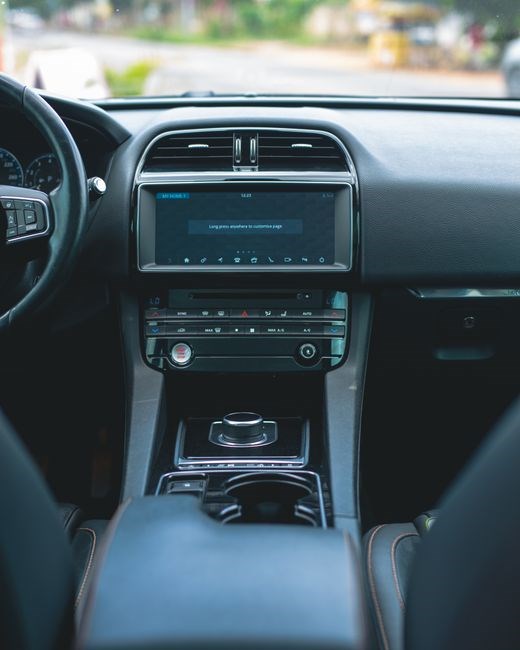
Technical Aspects of the 6-Speed Manual
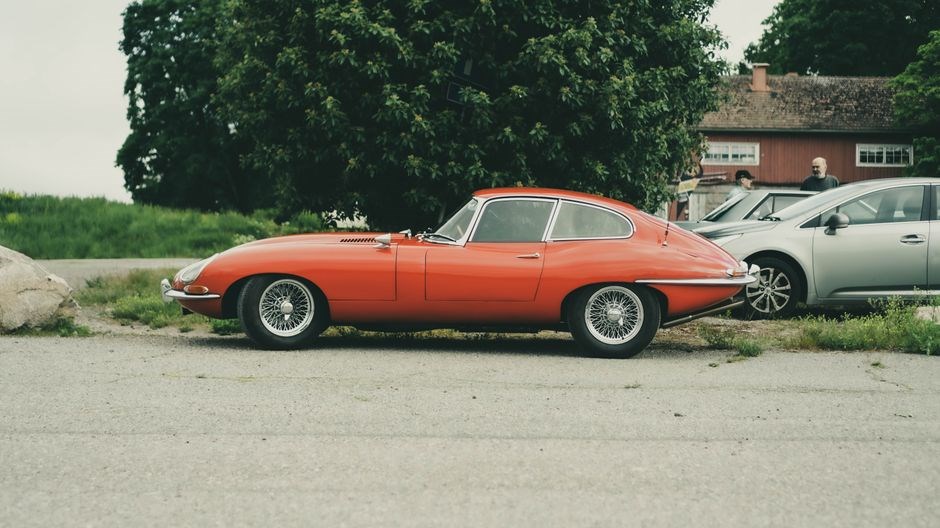
The 6‑speed ZF manual offers lightweight aluminum housings, gear ratios, and a dual‑clutch design for rapid shifts. Its compact layout reduces drivetrain weight, while the short throw lever enhances precision. The gearbox pairs with Jaguar’s 3.0‑liter V6, delivering power and engaging dynamics dynamic.
ZF Manual Design and Gear Ratios
Jaguar’s 6‑speed manual is a collaboration with ZF Friedrichshafen, a company renowned for precision engineering. The gearbox features a lightweight aluminum case that reduces overall drivetrain mass, allowing the F‑Type to retain its agile handling characteristics. Internally, the design incorporates a close‑ratio gear set that delivers a 1st‑to‑2nd ratio of 3.00:1, a 2nd‑to‑3rd ratio of 1.71:1, a 3rd‑to‑4th ratio of 1.30:1, a 4th‑to‑5th ratio of 1.12:1, and a 5th‑to‑6th ratio of 0.93:1. These ratios are optimized for both spirited driving and everyday usability, ensuring that the 3.0‑liter V6’s power band is fully exploited. The final drive ratio is set at 3.55:1, striking a balance between acceleration and fuel efficiency. The gearbox also employs a dual‑clutch system that allows for rapid gear changes without the lag typically associated with manual transmissions. The shift lever is ergonomically designed for a short, precise throw, giving drivers immediate feedback and control. This combination of lightweight construction, close‑ratio gearing, and advanced clutch technology makes the ZF manual a standout in the F‑Type lineup, delivering a driving experience that feels both engaging and refined. The gearbox’s construction also incorporates a forged steel gear train and a lightweight aluminum housing, reducing rotational inertia and improving shift feel. Its close‑ratio layout keeps the engine in peak torque, while the 3.55:1 final drive ensures efficient cruising at highway speeds!!!
The F‑Type’s 6‑speed manual relies on a dual‑plate, hydraulically actuated clutch that was upgraded to a third‑generation design in 2018 to address early reliability concerns. The original clutch, a 3‑plate system with a 350‑lb‑force lever, suffered from premature wear, especially in the 3.0‑liter V6 models, where users reported a “slipping” sensation after 20,000 miles. In response, Jaguar introduced a revised clutch pack featuring a higher‑grade friction material and a reinforced pressure plate. This update reduced wear rates by roughly 30 % and improved heat dissipation, mitigating the risk of clutch fade during spirited driving. Despite these improvements, a subset of owners still experience clutch failure, typically linked to aggressive downshifting or inadequate maintenance of the hydraulic system. Common symptoms include a soft pedal feel, difficulty engaging 1st gear, and a noticeable “clutch bite” delay. Repair costs vary, with OEM replacements averaging $1,200–$1,500, while aftermarket options can be found for $800–$1,000. Owners are advised to perform a clutch inspection during every scheduled service, especially after high‑intensity driving sessions, to catch early signs of wear. Additionally, using high‑quality hydraulic fluid and ensuring the clutch pedal is properly adjusted can extend the life of the clutch pack. Overall, the newer clutch design has significantly improved durability, but vigilance remains essential for owners who push the F‑Type to its limits. The gearbox’s robust construction ensures longevity and use. Thanks, team.
Model Variants and Availability
The manual 6‑speed ZF is offered only on the 3.0‑liter V6 coupe and convertible, excluding the V8 and AWD variants. Production began in 2015, with limited annual output, making it a sought‑after option for purists. Availability remains scarce, especially in newer model years. Collectors prize its drive.!!
Coupe vs Convertible and Engine Options with Manual
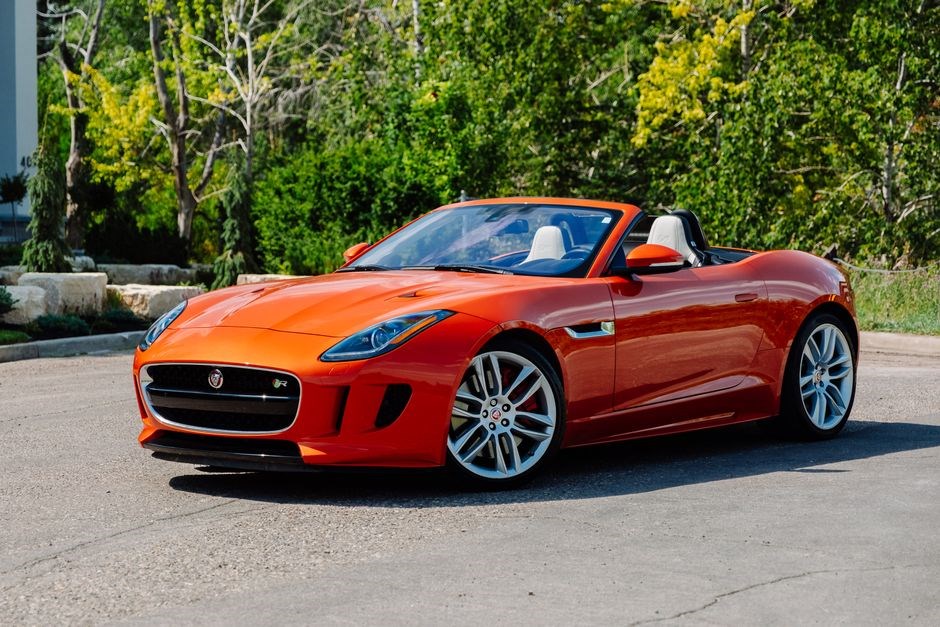
The 6‑speed ZF manual is exclusively available on the 3.0‑liter V6 F‑Type, offered in both coupe and convertible body styles. The coupe delivers a tighter wheelbase and slightly lower center of gravity, enhancing cornering precision, while the convertible’s retractable roof adds weight, slightly affecting shift feel. Both body styles share identical chassis tuning, but the convertible’s retractable roof adds weight, slightly affecting shift feel. Engine options remain limited: the 3.0‑liter V6 produces 340 hp in the standard manual, whereas the 3.0‑liter V6 S‑Sport variant ups output to 380 hp, still paired with the same 6‑speed gearbox. No V8 or AWD configurations are offered with a manual, preserving the focus on driver involvement. Availability is restricted, with only a few thousand units produced annually, making the manual coupe and convertible highly sought after by enthusiasts who value tactile control over the F‑Type’s dynamic performance. Collectors note that the manual variants command premium pricing, often exceeding the automatic counterparts by several thousand dollars. Limited production runs and the absence of a V8 manual option contribute to a growing aftermarket demand. Owners frequently report that the manual’s lighter weight and direct engagement enhance the F‑Type’s already impressive handling, making it a favorite among track enthusiasts and drivers alike. The manual’s lighter weight reduces drivetrain heat, allowing the engine to maintain performance during drives
Customer Experience and Collectibility
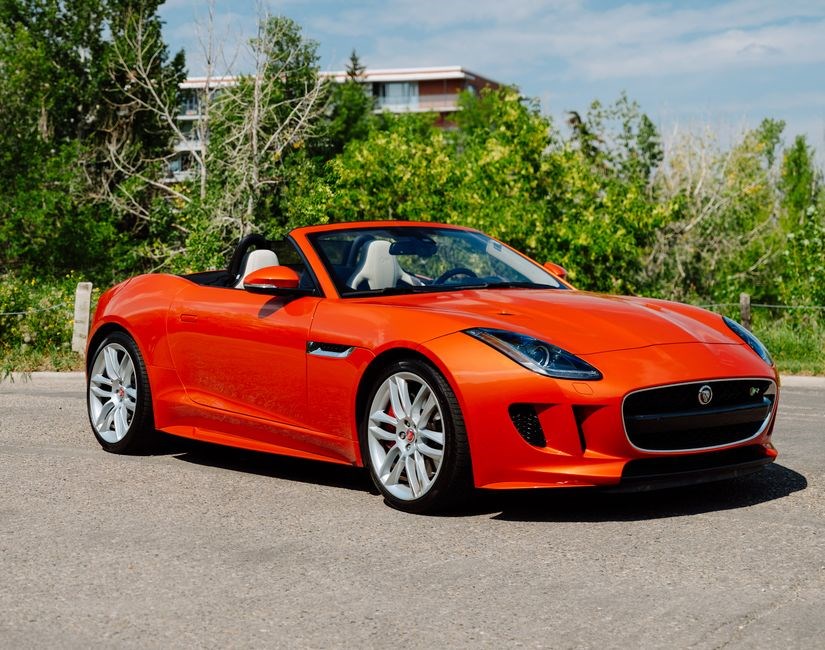
Owners praise the manual’s engaging shift, citing sharper throttle response and deeper connection to the road. Resale values rise, with collectors willing to pay premiums for rare coupe and convertible models, boosting the F‑Type’s desirability and long‑term appeal. Collectors value the manual’s tactile feel.!!
Driving Feedback, Resale Value, and Collectibility
Owners of the 2015‑present 6‑speed manual F‑Type report a distinctly visceral connection to the road, praising the precise gear changes and the immediate throttle response that the manual provides. The engagement of the clutch and the feel of the shifter are often cited as the most rewarding aspects, especially on the V6‑powered coupe and convertible variants. Many reviewers note that the manual’s lighter weight and simpler construction contribute to a more dynamic driving experience, allowing drivers to feel the car’s balance and power delivery more clearly than with the 8‑speed automatic. This tactile satisfaction has become a key selling point for enthusiasts, and it is reflected in the vehicle’s resale market. Because manual F‑Types are produced in limited numbers, they command higher prices on the used‑car market, with some models appreciating in value over time. Collectors particularly prize the rare 340‑horsepower V6 manual, which is often sought after for its blend of performance, style, and the classic driving feel. The manual’s reputation for reliability—despite occasional clutch wear—has helped maintain its desirability, and the growing community of owners keeps the aftermarket support strong. As a result, the manual F‑Type has become a coveted collector’s item, with enthusiasts willing to pay a premium for a well‑maintained example that offers both historical significance and engaging driving dynamics.Collectors note the manual’s lighter weight enhances agility on a roads.
Maintenance and Repair Considerations
Common issues include clutch wear and gear engagement problems. Replacements are available from OEM suppliers and aftermarket. Regular inspection of clutch, fluid, and linkage is advised. Repairs are typically performed by Jaguar technicians maintain warranty.
Common Issues, Fixes, and OEM Parts Availability
Owners of the 2015‑present 6‑speed ZF manual often report clutch wear as the most frequent complaint. The original clutch, now in its fourth generation, still shows premature slippage under high‑RPM use, especially in the 340‑hp V6 variant. A common fix is to upgrade to the newer 4‑stage clutch kit, which offers a higher friction plate and a revised pressure plate geometry. This upgrade is available from Jaguar’s official parts catalog and is supported by most UK and US dealerships. Owners praise the manual’s light pedal feel and precise gear selection
Transmission fluid contamination can also lead to gear slippage. Regular fluid changes every 20,000 miles are recommended, and using the factory‑spec ZF 6‑speed fluid is essential. Some owners have reported that a slight increase in fluid temperature correlates with clutch wear, so installing a temperature sensor on the transmission cooler can help monitor conditions.
For those who prefer a fully OEM solution, Jaguar’s 2024 parts list includes a complete 6‑speed manual transmission rebuild kit. This kit contains a new clutch assembly, new synchronizers, and a new gear oil pump. While more expensive, it guarantees compatibility and extends the gearbox’s service life.
Finally, the community has developed a number of DIY guides for clutch replacement and shift linkage adjustment. These resources, found on Jaguar enthusiast forums, provide step‑by‑step instructions and video tutorials, making it easier for owners to perform maintenance themselves and reduce labor costs.